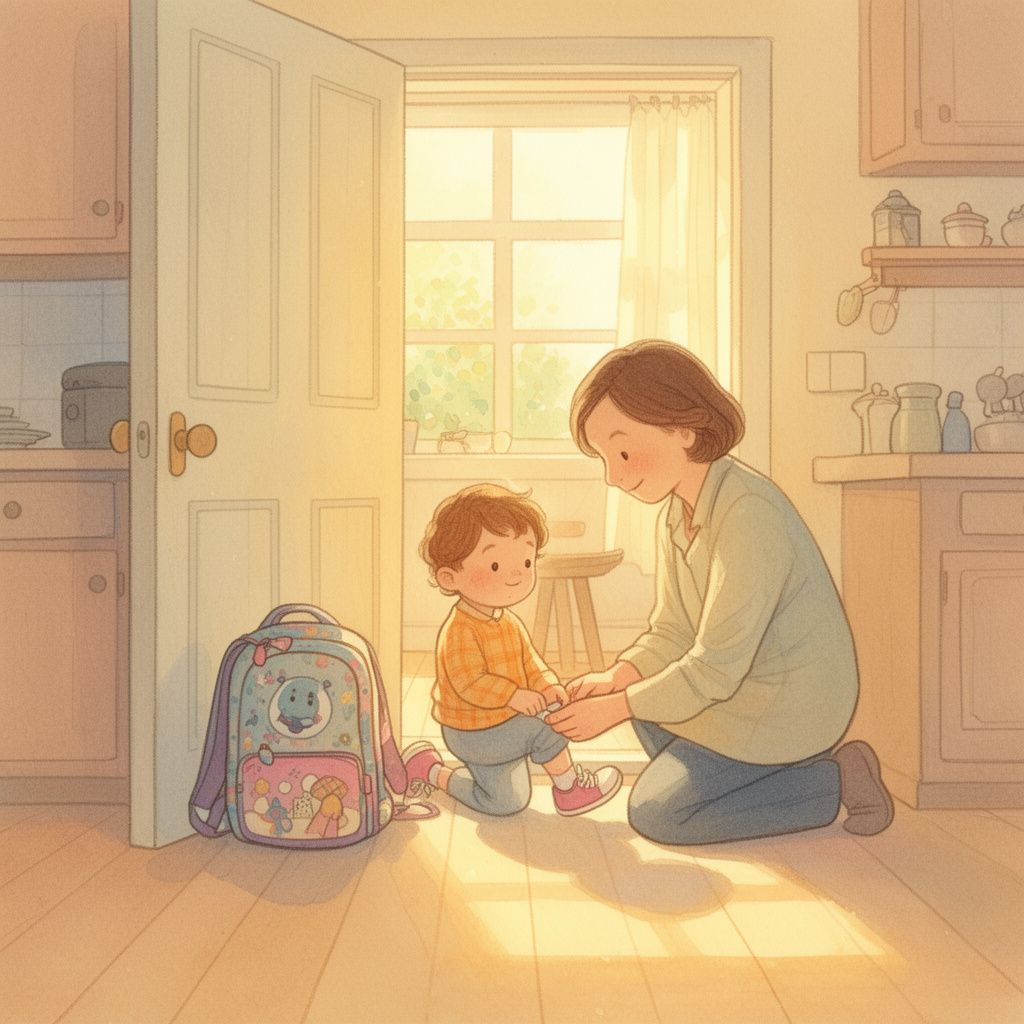
Some days most of what we say to our children is correction: shoes on, gentle hands, not like that. That is part of loving them. But somewhere in the rush, many of us notice we have run short of words that build them up. The good news is we don't have to make those words up ourselves. God has already spoken over our children, and we get to pass that on.
Start with what God says about them
Our praise can wobble. It depends on a good report card or a tidy bedroom. God's word gives children something steadier. When we encourage them from scripture, we're telling them what is true whether today went well or badly.
"I praise you because I am fearfully and wonderfully made." (Psalm 139:14)
"Do not fear, for I have redeemed you; I have summoned you by name; you are mine." (Isaiah 43:1)
Jesus showed the same heart. When the disciples tried to send children away, he welcomed them, took them in his arms and blessed them (Mark 10:13–16). Your child can know that Jesus wanted children close.
Turn verses into everyday sentences
You don't need a devotional moment for this. Short, plain words fit into ordinary life:
- On a nervous morning: "God says be strong and brave, because he is with you wherever you go." (Joshua 1:9)
- After a hard day: "God made you on purpose, and he still delights in you." (Zephaniah 3:17)
- When they've been kind to someone: "That's what God's word means by building each other up." (1 Thessalonians 5:11)
Encouragement goes deeper when you say what you saw. "You shared your snack even though you were hungry. That looked like Jesus" will stay with a child longer than "good job."

What changes from two to twelve
Ages 2–4: Keep it short and repeat it. "God made you. God loves you." Say it the same way at bath time or bedtime, with a hand on their back.
Ages 4–6: Bring in stories. Little ones remember David trusting God or Jesus welcoming children better than they remember abstract ideas.
Ages 6–9: Ask questions. "What does God say about you in this verse?" Let them find the encouragement for themselves.
Ages 9–12: Older children often notice when they've fallen short. Show them that God's love doesn't depend on performance. Invite them to pick a verse that speaks to them and write it somewhere they'll see it.
This is one reason Fernbug tells each story at four ages. The same truth can reach a toddler and a preteen in very different words.
Something to try tonight
Choose one verse from above. At bedtime, put your hand on your child's head or shoulder and say it as a blessing, using their name: "Ella, you are fearfully and wonderfully made." Then ask, "Who could you encourage tomorrow?" Do it again the next night with the same verse. Many families find that by the end of the week, the children are saying the words back to them.