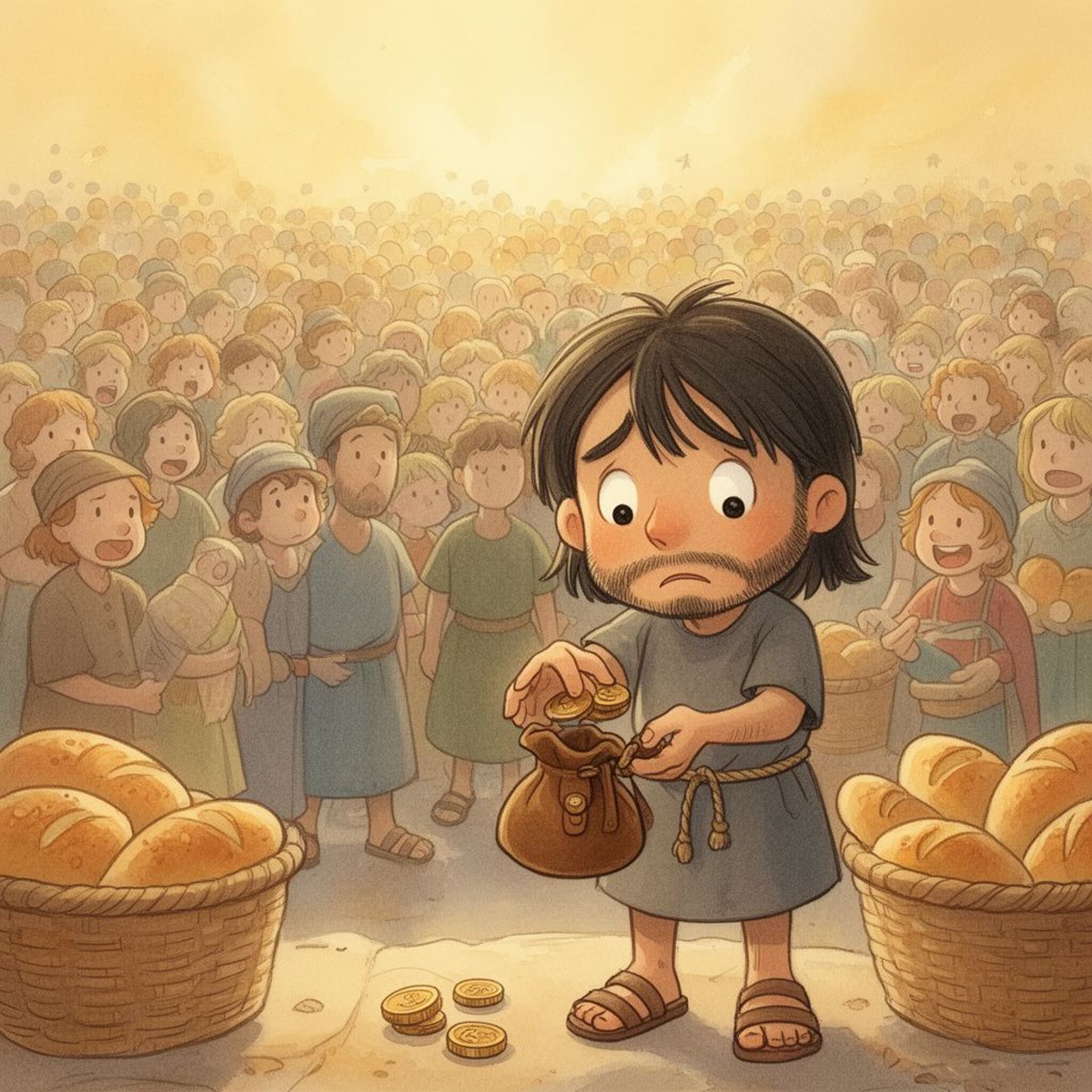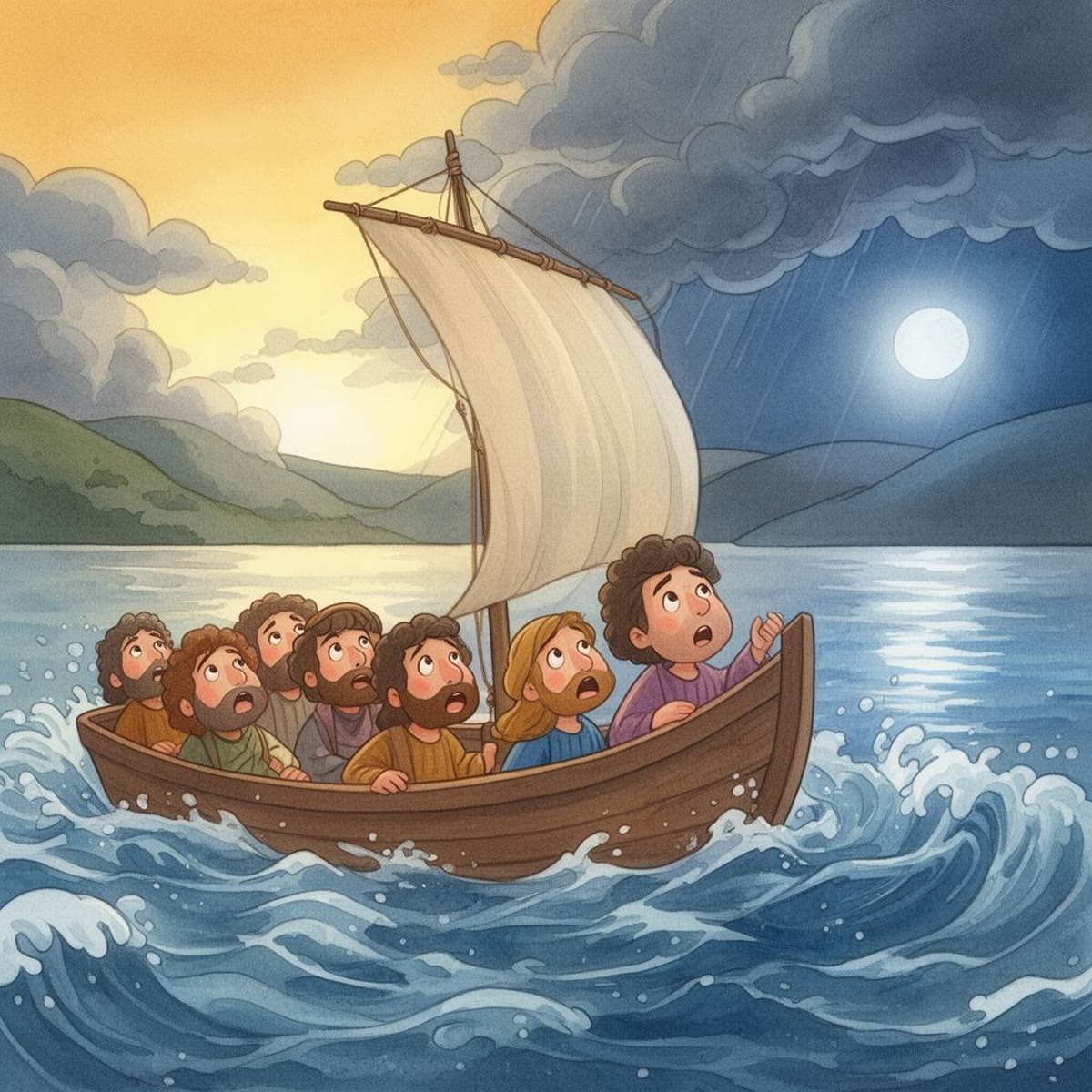
The tiny word is yet. In Lamentations 3, it sits right between the pain and the hope. It says the hard thing is real, and something else is true too. Hope here doesn't wait until you feel better. It shows up next to the pain.
What the passage says
Lamentations is one of the saddest books in the Bible. The writer's whole city has been destroyed. He doesn't act like things are fine. He says:
Remember my affliction and wandering, the wormwood and the gall. Surely my soul remembers and is humbled within me.
Then comes the turn:
Yet I call this to mind, and therefore I have hope: Because of the loving devotion of the LORD we are not consumed, for His mercies never fail. They are new every morning; great is Your faithfulness!
He ends with: "The LORD is my portion," says my soul, "therefore I will hope in Him."
Why one small word matters
Notice what "yet" doesn't do. It doesn't erase the grief. It doesn't say "cheer up." The writer's pain is still there, and he still chooses to call something else to mind.
That's a quieter kind of hope. It isn't a mood. It's a decision to remember that God's love hasn't run out, and that morning brings new mercy. Some days that's all you can manage, and the passage lets that be enough. A harder day doesn't mean you've failed. It means you keep going, one morning at a time.
One thing to try today
Write two short lines on a note or in your phone.
- One honest, hard thing. No dressing it up.
- Start the second line with "Yet I call this to mind:" and finish it with one true thing. It can be as simple as "His mercies are new every morning."
Leave it where you'll see it tomorrow morning.
Think about it
- What's one honest thing you could say to God today, without cleaning it up first?
- What would it look like for tomorrow morning to be a small fresh start?
If you'd like the rest of the seven days, you can find the full study at When the Dark Days Come, and the video that started this is here on TikTok.